An Steppe Back in Time

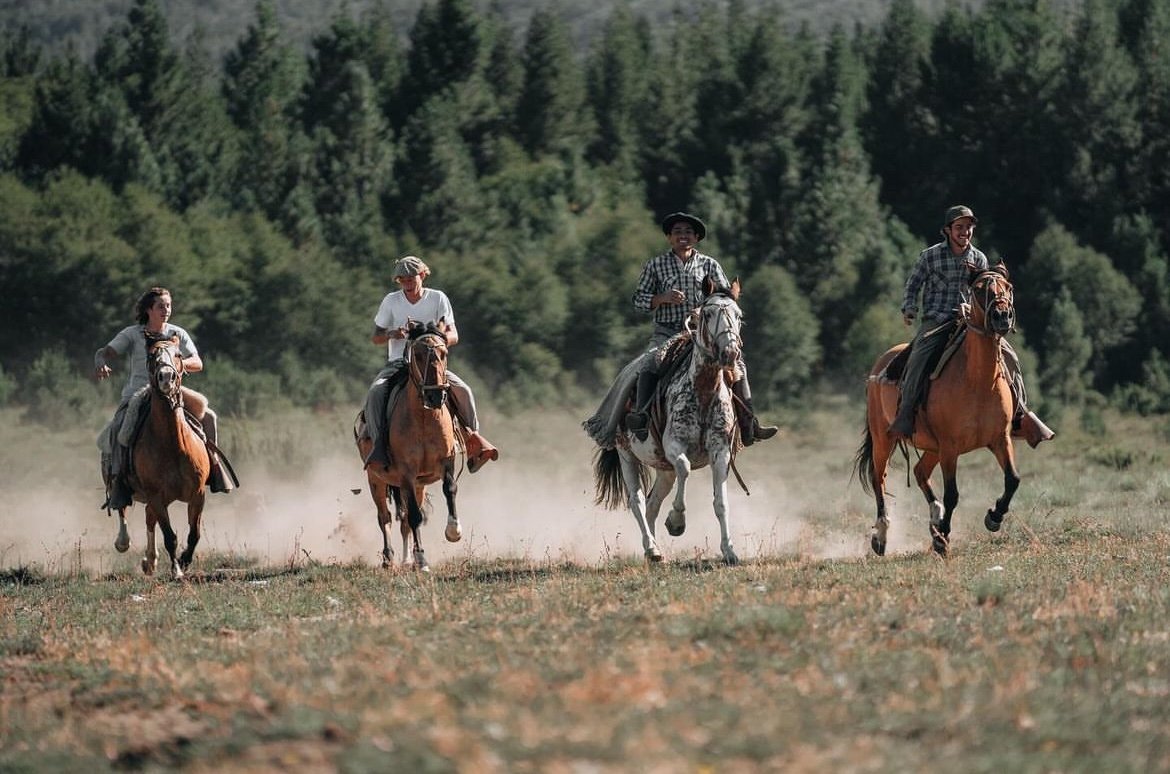
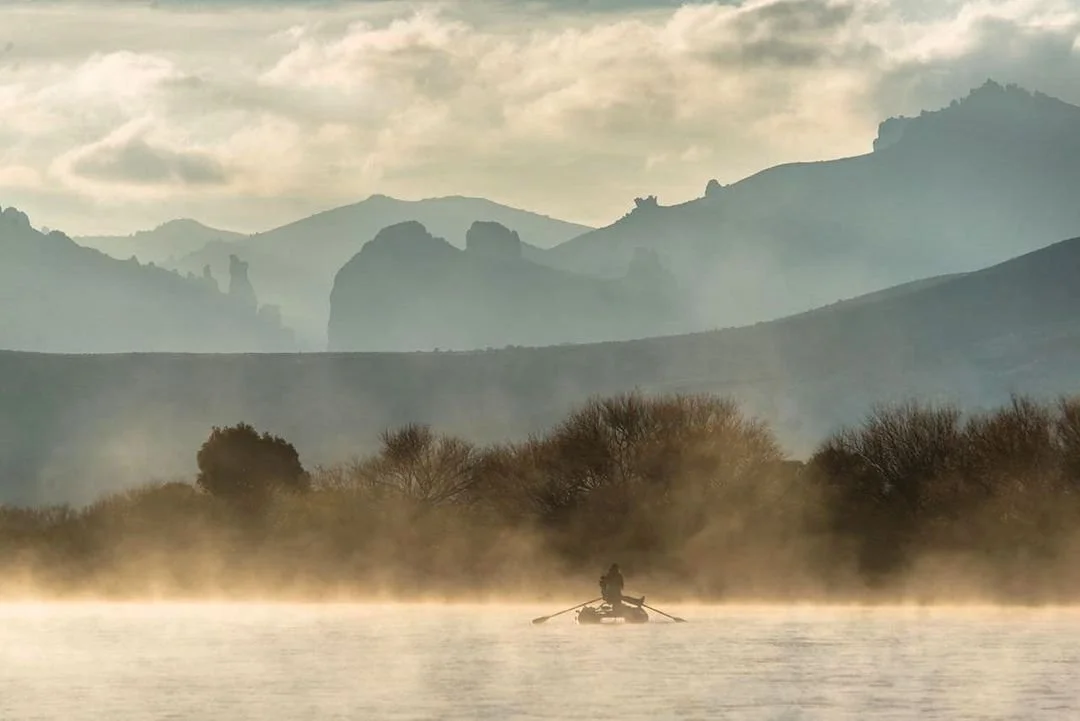
Turn your head to the right from any hillside Bariloche home and you gaze towards the endless, puzzlingly empty Patagonian Steppe. Some fear it - hundreds of kilometers of dry, flat space with nothing moving but the wind and the odd gaucho. It is an intimidating place, a place of loneliness and heartiness. Others relish in its possibilities.


For me, the Steppe represents incredible beauty and the solitude I’ve longed for my entire life. Born a introverted soul (although some, including my best friends and my husband may argue), I find great joy in emptiness and get giddy about privacy. The Steppe promises comfort and peace to me, offering up contemplation and quiet. But, as I discovered on a Sunday as we headed east towards a remote ranch where we’d been invited for an asado, it’s not all placid stillness out here. The Steppe, like most of the modern world, is caught in transition. It’s a place in motion.

Times are changing in Patagonia. The world’s wool market is in sharp decline, threatened by the boom of synthetic fibers. This has left shephards and estancias with little to no cash flow. Family-run estancias are being forced to give up a century of hard work. Some are clinging to the scraps still out there in the wool market. Others have sold to major industrial ranchers - notably the Italian clothing-magnate Benetton family which now is the largest landholder in Patagonia. There are pockets of hope for independence, ranching families who are willing to go out on a limb and try something drastically different in hopes of maintaining, and most importantly sharing, their passion for this land. Like so many pockets of the planet, tourism is the great hope.
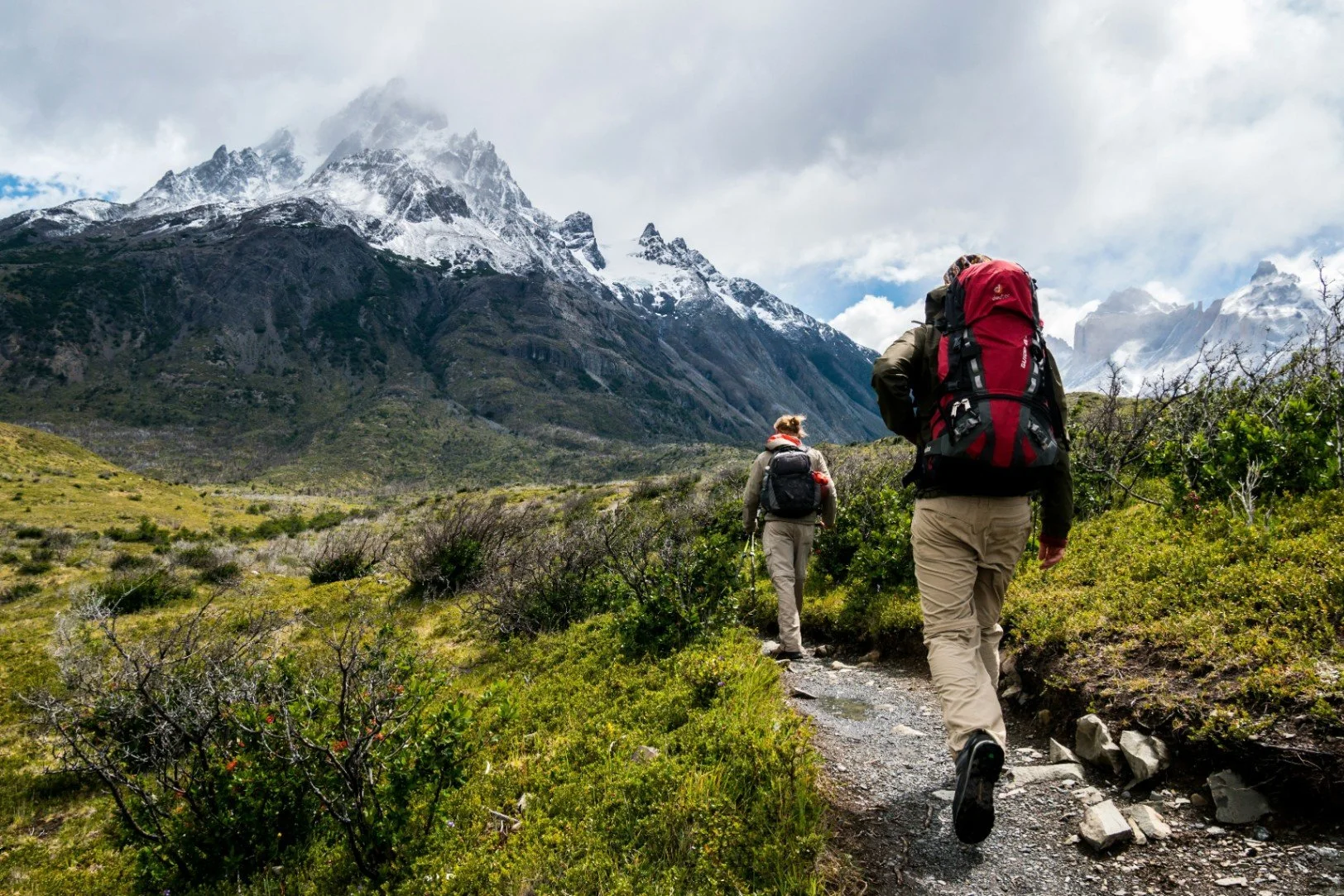
There is a good side to this, if you consider the planet. Sheep ranching has traditionally been very damaging to the Earth. It leads to drastic erosion and destruction of biodiversity and overgrazing of grasslands. Traditional ranch fencing poses risks to wildlife like guanaco and nandu (ostriches). Tourists tread lightly, on horseback, mountain bike, on foot or in a Land Rover. They gaze into the distance and feel no need to tear up the earth (beside via previously mentioned activities). And they have plata, dinero, which ranching families have less and less of these days.
The issues here are sometimes overwhelming. Argentina generally is so busy trying to put one foot in front of another that there is little political will to think big picture, consider the long term. It’s the latin way to live for the moment! But these plains of Patagonia need protection, and the long-standing pioneering families who helped build Argentina to its one-time glory need tools to take on the future.

Tourism is the usual go-to remedy for cultures or lands at risk. Piggy-backing on wealth elsewhere, families like our friend Cristina’s at Estancia Chenqueniyen are sitting on what some tourism investors would see as a gold mine. Their incredibly rustic and entirely authentic estancia is nestled in a slight valley next to a wide river only a few hundred kilometers from Bariloche. Time stands still here. Cristina had asked Max and I to come see her family’s ranch with hopes that we may be able to bring tourists one day, and to bring some much-needed cash into her family’s pockets. They were unable to keep any more employees, and although they own all the land as far as I could see, there were only a few hundred sheep left roaming about.

After a stunning two-hour drive across the Steppe (we spotted condors and stopped in the one-horse town of Pilcaneyeu for some facturas), we pulled into Estancia Chilceneyen in time for lunch. Of course, it was an asado of grilled lamb, with chimichurri, green salad, fresh bread and lots of vino tinto. We sat around the table and listened to Cristina tell the story of her family’s home. How the kids were sent off at six for school in the nearest town 123 km away. How her father roamed the plains and how he hired every gaucho in site during the shearing season. How none of her siblings have any hope and have abandoned the property altogether.

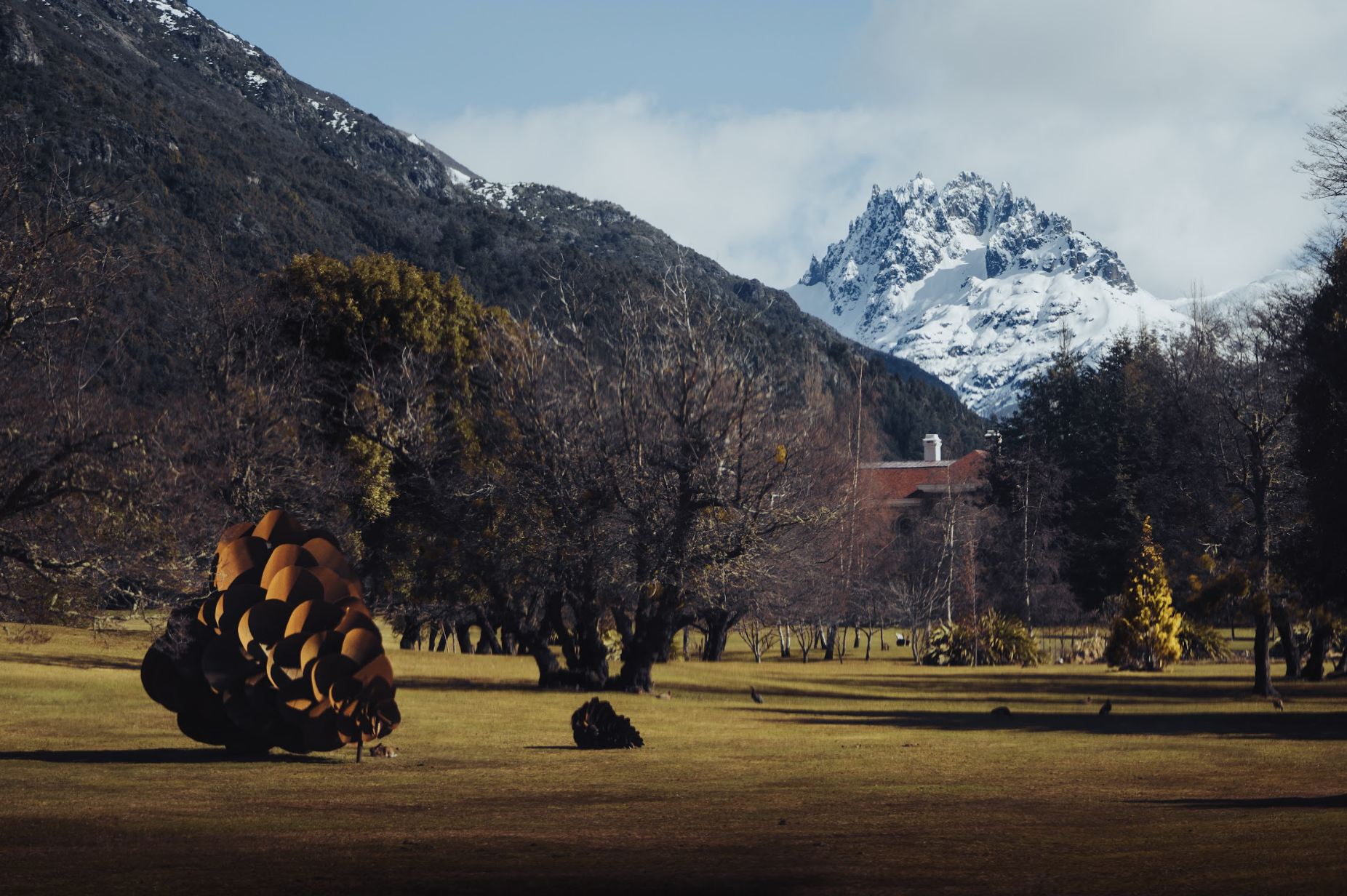
The place certainly has potential. The old family home has six bedrooms tucked around a courtyard protected from the wind. There’s the cozy living room, industrial kitchen and the tocken outdoor patio for asados - again, protected from the wind. The sheer size of their property nearly brought me to tears - imagine owning all that you can see! There are two sheep-shearing barns about 20 kilometers west.

We explored in a 4×4 truck the edges of the property. We heard of the declining wool prices and we met a Dutch family who’d come out to spend a night at the estancia. They were truly enthralled by the size of the horizon, the quiet and the peace that shines in comparison to their hectic lives in Amsterdam.

During the past months as I’ve coamed Patagonia researching the new Frommers guidebook, I’ve stumbled upon dozens of estancias that have turned to tourism. Every single one of them has been charming and delightful. The owners are enthusiastic and proud. The accommodation for visitors quaint and comfortable. And the wide open spaces of the Patagonian Steppe just what the foreign visitors dreamed of.

So perhaps there’s hope here at Estancia Chenqueniyen. In my perfect world, this is exactly where hope lives, free to roam the endless spaces, disconnect from the hussle of modernity, reach for what’s real and inspire any one fortunate enough to pass this way.

Leave a Reply